
The Hidden Cost of "Fresh": Reducing Prep Time in Commercial Tandoors by 40%
Summary

For the modern Indian commercial kitchen, the "Tandoor Station" is often the most labor-intensive node. With labor costs for Indian restaurant operators rising by 89% in the last year, the time spent peeling garlic, grinding spices, and balancing marinade acidity is the single largest controllable expense. This article analyzes the financial impact of scratch-made marinades versus standardized industrial bases, demonstrating how pH-balanced Tandoori/Tikka pastes can reduce station prep time by 4 hours daily while eliminating the standard 15-20% yield loss associated with raw spice grinding and ginger-garlic processing.
The Problem: The "Grinding" Bottleneck
It is 4:00 PM on a Friday. Your Tandoor chef is frantically trying to balance the second batch of red marinade. The color isn't quite right, so he adds more chili. Now it's too spicy. He adds more lemon. Now the consistency is watery.
This isn't cooking; it's chemistry without a lab. And it is failing your P&L.
In a traditional setup, 35-40% of Tandoor labor hours are spent on "Rough Prep"—peeling garlic, washing ginger, roasting spices, and grinding pastes. This creates three critical failures:
- Sensory Drift: The "Chicken Tikka" on Tuesday has a different heat level than on Saturday.
- Yield Loss: Grinding raw ginger and garlic results in significant waste in the machine and during peeling.
- Marination Time: Scratch-made marinades often require 12-24 hours to tenderize meat. Industrial pH-balanced pastes can accelerate this significantly.
The Data: The Real Cost of "Scratch Marinades"

According to the 2025 State of the Industry Report, consistency is the #1 driver of repeat business for QSRs.
- The "Grinding" Tax: A standard Tandoor station requires 3-4 hours of prep (peeling, grinding, mixing) for every shift.
- Ingredient Volatility: The price of raw green chilies and garlic fluctuates wildly. Locking in a standardized paste stabilizes your Cost of Goods Sold (COGS).
- Space: Storing sacks of raw spices, ginger, and garlic takes up valuable dry storage and cold room space.
Technical Deep Dive: The Science of "pH-Balanced Marination"

Many chefs fear that "bottled paste" means "artificial taste." That is outdated thinking. EL THE COOK employs modern Hurdle Technology to ensure safety while improving meat texture.
-
pH Balancing (The Tenderizer): Our Tandoori bases are scientifically acidified. This specific pH level does two things:
- It acts as a natural preservative, preventing bacterial growth without heat processing (Retort) that would cook the spices.
- It acts as a meat tenderizer, breaking down protein fibers faster than raw lemon juice, allowing for shorter marination windows.
- Spice Encapsulation: When you grind spices in an open kitchen, the volatile oils (aroma) evaporate into the air (that's why the kitchen smells good, but the food loses flavor). Our process locks these oils into the paste immediately.
- Natural Preservation: We utilize plant-based natural preservatives that maintain shelf stability without the metallic taste of artificial chemicals.
- Standardized Viscosity: Our paste is designed to coat the meat evenly without "dripping off" in the Tandoor, ensuring a better yield per skewer.
The Solution: The "Coat & Cook" Model
You don't need to fire your chef. You need to empower them.
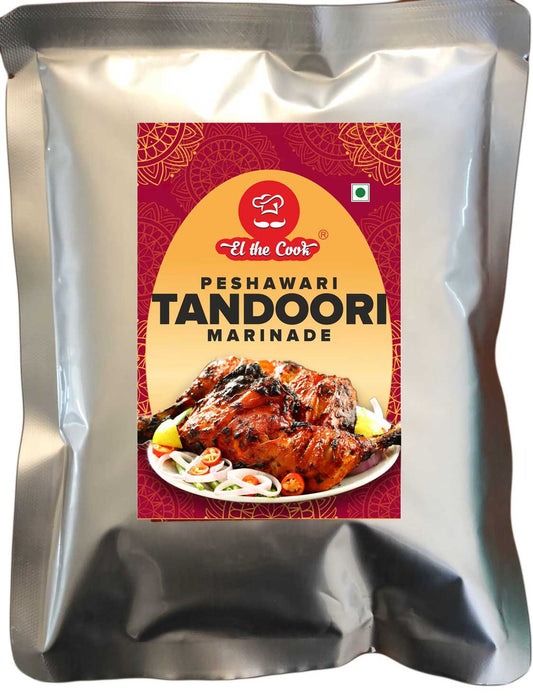
- Buy the Base: Source the complex, labor-heavy Tandoori/Tikka Paste.
- Cook the Finish: Chefs focus only on the grilling, basting, and plating.
-
The Math:
- Old Way: 5kg Raw Spices/Curd/Ginger/Garlic = ₹X Cost + 3 Hours Labor + Inconsistent Flavor.
- New Way: 2kg Paste + Curd = ₹Y Cost + 10 Mins Labor + Perfect Consistency.
Case Study: "The BBQ Chain Consistency Fix"
- Scenario: A QSR chain, "Grill & Smoke," with 5 outlets.
- Challenge: Customer reviews complained that "Outlet A is spicy, Outlet B is bland."
- Action: Switched to EL THE COOK Tandoori Base for all marinated starters.
-
Result:
- Brand Standard: Every Chicken Tikka tasted identical across the city.
- Prep Time: Reduced by 70% (eliminated the morning spice-grinding shift).
- Sensory Feedback: Customers praised the "authentic smokiness" which was preserved better in the paste than their open-air spice grinding.
7. Actionable Steps for Managers
- Audit Your Spice Room: How much "shrinkage" (theft/waste) are you seeing in expensive spices like Cardamom or Saffron?
- Time the Grind: Watch how long your team spends peeling garlic and grinding spices today.
- The "Blind Taste" Test: Marinate 1kg chicken with your scratch mix, and 1kg with our Paste. Cook both. Ask your staff to pick the "fresher" one.